
Compare Local Contractors for Business Roof Inspection Services
Compare local contractors to assess experience, define inspection scope, and set clear expectations in writing for a reliable business roof assessment.
Business roof inspection services typically encompass a comprehensive evaluation of a commercial property's roofing system. This process involves inspecting the roof’s overall condition, identifying areas of wear or damage, assessing the integrity of roofing materials, and noting any potential issues that could lead to leaks or other problems. Service providers may also evaluate the drainage systems, flashing, and other critical components to ensure the roof functions properly and remains durable over time. Clear communication about what is included in the inspection helps property owners understand the scope of work and ensures that all necessary aspects are covered during the assessment.
Defining the scope of a roof inspection is essential to establishing realistic expectations and ensuring that the work meets the specific needs of the property. A well-detailed scope outlines the areas to be examined, the types of issues to look for, and any additional evaluations or reports that may be provided. This clarity helps property owners compare different service providers effectively, as it allows for an apples-to-apples comparison of what each contractor offers. Without a clearly defined scope, there could be gaps in coverage or misunderstandings about what the inspection will include, which might lead to overlooked problems or unmet expectations later on.
When evaluating local contractors for business roof inspections, property owners should consider their experience with similar commercial properties and their reputation within the community. It’s practical to review the scope of services offered by each provider and verify their ability to perform thorough inspections tailored to the property’s specific type and age. Comparing how contractors communicate their process, what is included in their scope, and how they document their findings can help property owners make informed decisions. Gathering information about each service provider’s approach to defining scope and their method of delivering detailed, written reports can support choosing a contractor that aligns with the property’s needs and expectations.
Compare local contractors by outlining your inspection priorities, verifying experience, and setting clear project expectations in writing.
- Compare Contractors - Review multiple local contractors to evaluate their experience and service offerings for roof inspections.
- Define Scope Clearly - Establish specific inspection requirements and expectations to ensure comprehensive assessments.
- Verify Experience - Confirm contractors have relevant experience with business roof systems and inspection procedures.
- Document Details - Keep written records of inspection scope, findings, and agreements to ensure clarity and accountability.

Clearly describe your business roof inspection project to help compare local contractors, define scope, verify experience, and set written expectations.
- Inspect roofing materials for signs of wear, damage, or deterioration that may require attention. Evaluate the overall roof condition, including flashing, seams, and edges, for potential vulnerabilities.
- Check for any visible leaks, water stains, or pooling areas that could indicate underlying issues. Confirm that the scope of the inspection covers all critical roof components, such as vents and drainage systems.
- Verify the experience and reputation of local contractors specializing in commercial roof assessments. Ensure that service providers can provide detailed written reports outlining their findings and recommendations.
- Assess the thoroughness of the inspection process, including whether a physical walkover or drone survey is included. Clarify what aspects of the roof will be examined and documented during the inspection.
- Compare the scope of services and scope of work descriptions to ensure consistency and clarity among different contractors. Look for detailed explanations of inspection procedures and deliverables to set clear expectations.
Compare local contractors, verify experience, and clearly define scope to ensure effective roof inspections.


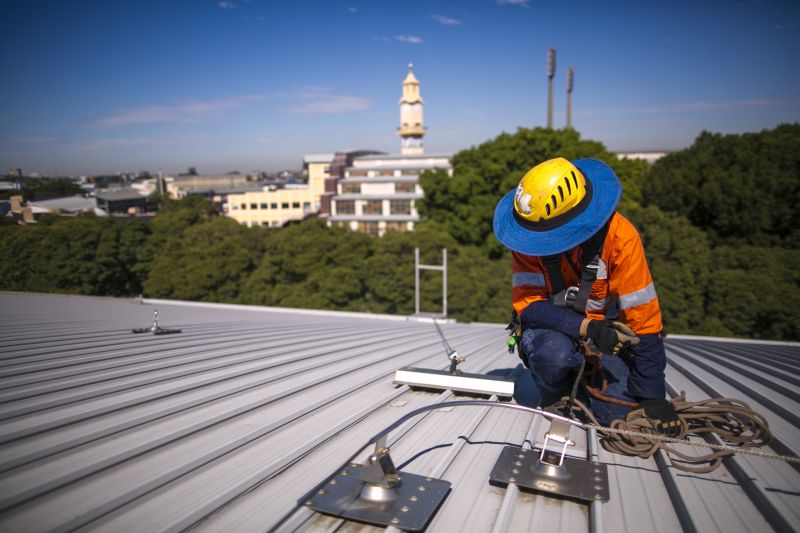

Use clear, consistent criteria to compare local contractors’ scope, experience, and written expectations for business roof inspections.
- Scope Definition - Clearly outline the specific areas and components of the business roof to be inspected.
- Inspection Criteria - Identify the key aspects and potential issues that should be evaluated during the inspection process.
- Experience Verification - Confirm the relevant experience and expertise of local contractors performing roof inspections.
- Documentation Expectations - Specify the documentation and reports that service providers should deliver post-inspection.
- Comparison Factors - Establish the criteria for comparing different local contractors’ scope, thoroughness, and professionalism.
When comparing contractors for a business roof inspection, it’s important to evaluate their experience with similar projects. Service providers who have a history of inspecting commercial roofs comparable in size, design, or material can often better identify potential issues and provide thorough assessments. Inquire about the types of properties they have worked on and the scope of previous inspections to gauge their familiarity with the specific challenges that may arise on a commercial roof. A contractor’s background in similar inspections can contribute to a more accurate evaluation of the roof’s condition and future needs.
A clear, written scope of work is essential when assessing different service providers. The scope should outline exactly what the inspection will cover, including areas of focus, methods used, and any additional services that may be included, such as documentation or follow-up recommendations. Having a detailed scope in writing helps set expectations and ensures that both parties understand the extent of the inspection. It also provides a basis for comparing proposals and verifying that each contractor’s approach aligns with the specific requirements of the business property.
Verification of a contractor’s experience can be approached through references, project portfolios, or documented case histories. Requesting examples of past inspections on similar commercial properties can provide insight into the contractor’s expertise and thoroughness. Additionally, discussing their process for identifying issues, documenting findings, and communicating results can help determine if their methods meet the standards needed for a comprehensive assessment. Verifying these aspects helps ensure that the service provider has the necessary background to deliver a reliable and detailed inspection.
Evaluating options without considering prices involves examining how well each contractor’s services match the project’s needs. Focus on the clarity of their scope, the experience demonstrated through past work, and the thoroughness of their approach. It’s also helpful to consider how each service provider plans to verify and document the roof’s condition and whether their process aligns with the specific requirements of the property. Comparing these factors can help identify the most suitable service providers for the inspection, ensuring that the chosen contractor can deliver a comprehensive evaluation tailored to the business’s needs.
Ask contractors to provide written scope details to ensure clarity and consistency in the roof inspection process.
- Experience and Credentials - What experience do local contractors have performing business roof inspections similar to your needs?
- Scope of Inspection - How do service providers define the scope of a business roof inspection and what is included?
- Inspection Process - What methods and tools do contractors use to assess the condition of a commercial roof?
- Reporting and Documentation - How will the findings be documented, and will the report clearly outline potential issues and recommended actions?
- Comparison of Services - What differentiates the inspection services offered by various local contractors in terms of thoroughness and expertise?
What should I consider when comparing contractors for a business roof inspection? Focus on their experience, reputation, and the scope of services they offer. Ensuring clarity in what the inspection includes helps set proper expectations.
How can I verify the experience of a roofing contractor? Look for information on their past projects, industry reputation, and whether they have specialized expertise in commercial roof inspections to ensure they are qualified for the job.
What is the importance of defining the scope of a roof inspection? Clearly outlining what areas and components will be inspected helps prevent misunderstandings and ensures all necessary aspects of the roof are evaluated.
How can I ensure the contractor’s inspection process meets my needs? Communicate your specific concerns and expectations upfront, and request a written outline of the inspection procedures to compare with other service providers.
Why is it helpful to get multiple quotes from different contractors? Comparing detailed scope descriptions and service offerings allows for a better understanding of what each contractor provides and helps in making an informed choice.
What should be included in a written agreement with a roofing contractor? The agreement should specify the scope of work, inspection details, deliverables, and any expectations to ensure transparency and clarity before the work begins.
This page provided an overview of how to find and evaluate contractors for business roof inspections. Visitors learned how to compare local service providers, define the scope of work, verify experience, and ensure expectations are clearly outlined in writing. These steps can help in making informed decisions when selecting a contractor suited to the specific needs of a commercial roof inspection.
Using the provided quote form allows for easy comparison of nearby contractors, helping to identify options that align with project requirements. Taking the time to review and differentiate service providers ensures that the process of connecting with qualified contractors is straightforward and well-informed.