
Compare Local Contractors for Residential Roof Replacement Projects
Compare local contractors to verify experience, define project scope, and establish clear expectations for your residential roof replacement.
Residential roof replacement typically involves removing an existing roof structure and installing a new roofing system to protect a home from the elements. This work often covers selecting appropriate roofing materials, preparing the roof deck, installing underlayment, and applying the new roofing surface. Properly executed, a roof replacement can enhance the durability, appearance, and overall performance of a home’s roof, ensuring it provides reliable protection for years to come.
Clearly defining the scope of a roof replacement project is essential for setting accurate expectations and ensuring all necessary work is considered. A comprehensive scope includes details such as the extent of roof removal, replacement of flashing or ventilation components, addressing underlying structural issues, and any additional repairs or upgrades needed during the process. Having this information in writing helps property owners and contractors align on what will be done, reducing misunderstandings and ensuring the project meets specific needs.
When comparing local contractors for residential roof replacement, property owners should assess their experience with similar projects, review their reputation within the community, and verify their familiarity with local building codes and standards. It’s also important to evaluate how each service provider approaches project planning and communication, including how they define the scope of work and document expectations. Gathering multiple perspectives allows property owners to make informed decisions based on the contractor’s expertise, professionalism, and ability to deliver a comprehensive, well-defined service.
Compare local contractors by outlining project priorities, verifying experience, and setting clear expectations in writing.
- Compare Contractor Experience - Review the background and project history of local contractors to assess their expertise.
- Define Project Scope - Clearly outline the work to be done and expectations in written agreements.
- Verify Credentials - Ensure contractors have the necessary experience and references for residential roof replacements.
- Set Clear Expectations - Communicate project details and responsibilities to ensure alignment before work begins.
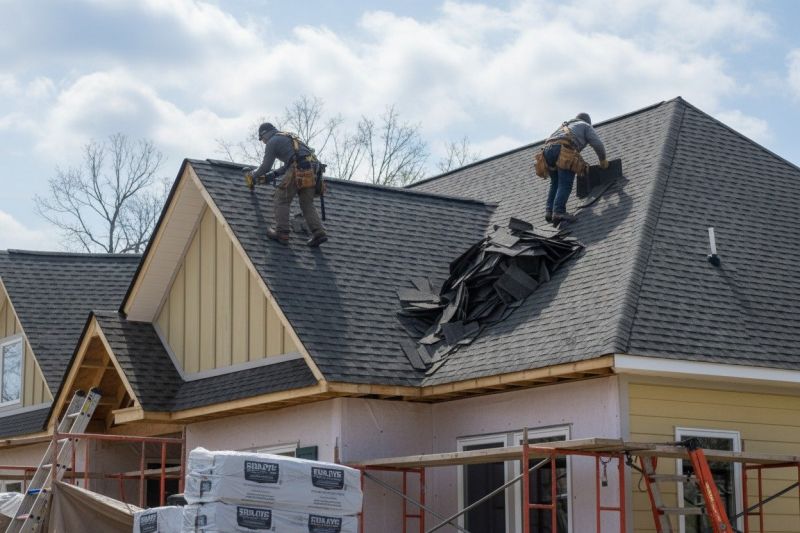
Clearly describe your residential roof replacement project to effectively compare local contractors, define scope, verify experience, and set expectations in writing.
- Verify the experience and reputation of local contractors specializing in residential roof replacement. - Ensure contractors clearly define the scope of work and materials included in the project description.
- Compare multiple service providers to assess their approach and level of detail in project planning. - Look for written estimates that outline specific tasks, materials, and warranty information.
- Check that contractors provide detailed written proposals to set clear expectations for the roof replacement process. - Confirm that all project details, including timelines and responsibilities, are documented in writing.
- Assess the communication process of local contractors to ensure transparency and responsiveness during the planning phase. - Make sure contractors are willing to answer questions and clarify project specifics before starting work.
- Review the contractor’s previous work or references to gauge their experience with residential roof replacements. - Seek feedback from past clients to understand the quality and reliability of the service providers.
Use this as a starting point to compare local contractors, clarify scope, and set clear expectations.

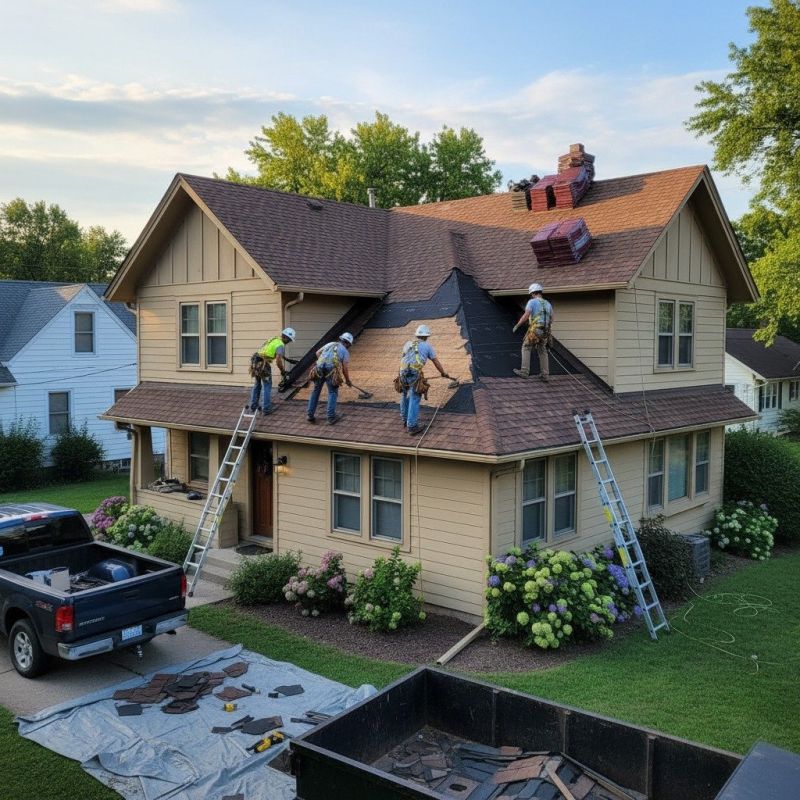

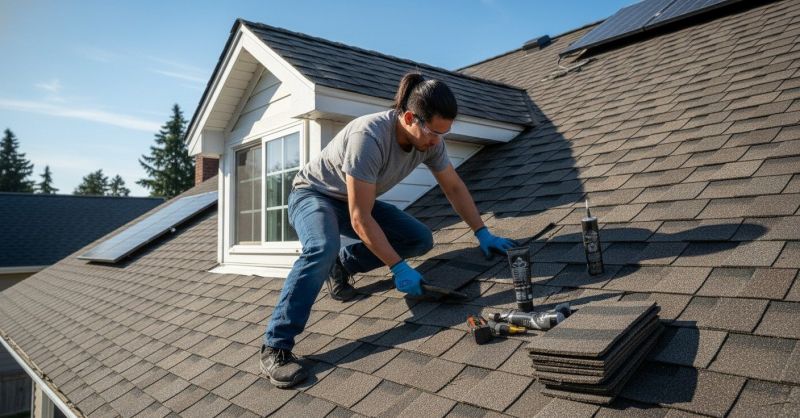
This scope builder helps compare residential roof replacement options by standardizing scope, verifying experience, and clarifying expectations with local contractors.
- Scope Definition - Clearly outline the specific work included in the roof replacement, such as materials, removal, and disposal processes.
- Material Selection - Identify the types of roofing materials to be used and ensure they meet the project's requirements.
- Project Boundaries - Specify the areas of the roof to be replaced and any related work, such as flashing or ventilation updates.
- Work Exclusions - Document what is not included in the scope to prevent misunderstandings with service providers.
- Documentation of Expectations - Maintain written records of the scope details to facilitate clear communication with local contractors.
When evaluating contractors for residential roof replacement, it is essential to consider their experience with similar projects. Service providers who have a proven track record working on homes comparable in size, style, and roofing materials can demonstrate familiarity with common challenges and best practices. Asking about past projects or requesting references can help gauge their familiarity with the specific demands of residential roof replacements, ensuring that the contractor understands the nuances involved in your type of home.
A clear written scope of work is a critical component in comparing contractors. A detailed document should outline the materials to be used, the extent of work included, and any specific tasks or responsibilities. This clarity helps prevent misunderstandings and provides a foundation for comparing the thoroughness of different proposals. Service providers who can articulate a comprehensive scope demonstrate professionalism and a commitment to transparency, making it easier to evaluate their approach and ensure all necessary aspects of the project are addressed.
Verification basics involve confirming that contractors have the necessary experience and proper documentation to handle residential roof replacements effectively. This includes reviewing their work history, verifying the types of projects they have completed, and ensuring that they follow industry standards for safety and quality. While licensing and certification are not always required, understanding a contractor’s background and their familiarity with local building codes can provide confidence in their ability to perform the work to expected standards.
When comparing options, it is important to focus on the quality of communication and the level of detail provided in proposals. Service providers who offer comprehensive, written descriptions of their scope and process enable homeowners to make informed decisions based on the professionalism of their approach. Evaluating the consistency and clarity of their explanations can help identify experienced contractors who prioritize transparency and thorough planning, leading to a smoother project experience.
Ask contractors to provide written scope details to ensure clear expectations and consistent project understanding.
- Scope of Work - What specific tasks and materials are included in each contractor’s roof replacement proposal?
- Experience and References - How long have the local contractors been performing residential roof replacements, and can they provide references?
- Warranty Details - What warranties are offered on the materials and workmanship, and how are they documented?
- Material Options - What types of roofing materials do the contractors recommend, and how do they compare in quality and durability?
- Communication and Expectations - How will the contractors clarify project scope, address questions, and document agreed-upon work in writing?
What should I consider when choosing a contractor for residential roof replacement? It's important to compare local contractors based on their experience, reputation, and the scope of services offered to ensure they meet your project needs.
How can I verify a contractor's experience for roof replacement projects? You can review their previous work, ask for references, and check how long they have been working on residential roofing to gauge their expertise.
Why is it important to define the scope of work in writing? Having a clear, written scope helps set expectations, prevents misunderstandings, and ensures all parties agree on the project details before work begins.
What questions should I ask contractors during the selection process? Inquire about their experience with similar projects, the materials they recommend, and how they handle unforeseen issues or changes during the work.
How do I compare different contractors effectively? Focus on their experience, scope of services, reputation, and the clarity of the written agreement to make an informed choice.
What role does a detailed contract play in residential roof replacement? A comprehensive contract helps define the scope, responsibilities, and expectations, reducing the potential for disputes and ensuring a smooth project process.
By understanding the key aspects of residential roof replacement-such as clearly defining the scope of work, verifying experience, and setting expectations in writing-visitors can make more informed decisions when comparing local contractors. This approach helps ensure that the project aligns with personal needs and reduces potential misunderstandings during the process. Utilizing the quote form allows homeowners to easily connect with service providers in their area, making it simple to explore options and find the right fit for their roof replacement needs.
Taking the time to compare local contractors based on their experience, scope of work, and communication practices can lead to a more confident selection process. The quote form offers a straightforward way to gather information and initiate contact with qualified service providers. By leveraging these tools, homeowners can better navigate their options and find knowledgeable local contractors ready to assist with residential roof replacement projects.